Viththal Height CHS Mira Road East – Project Overview

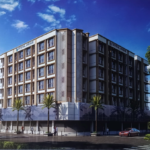
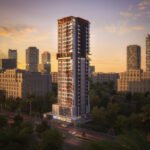
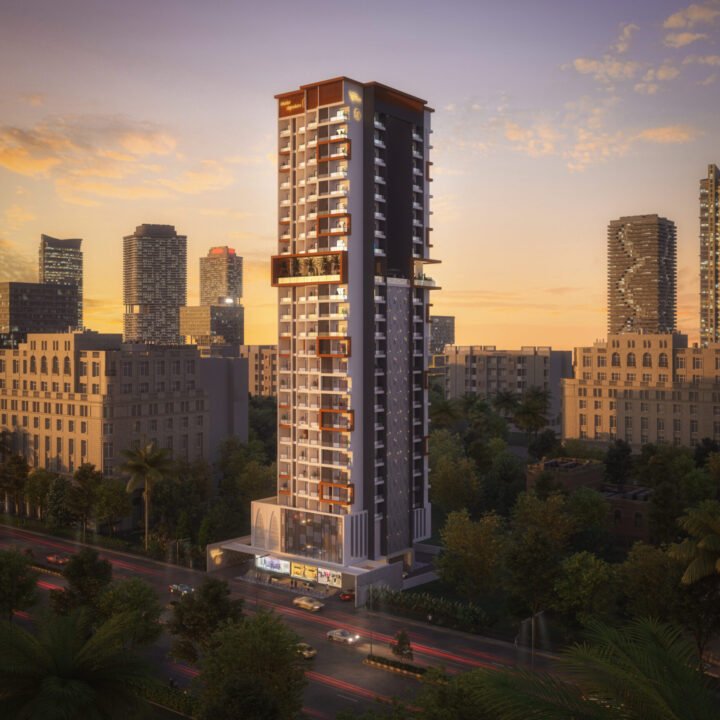
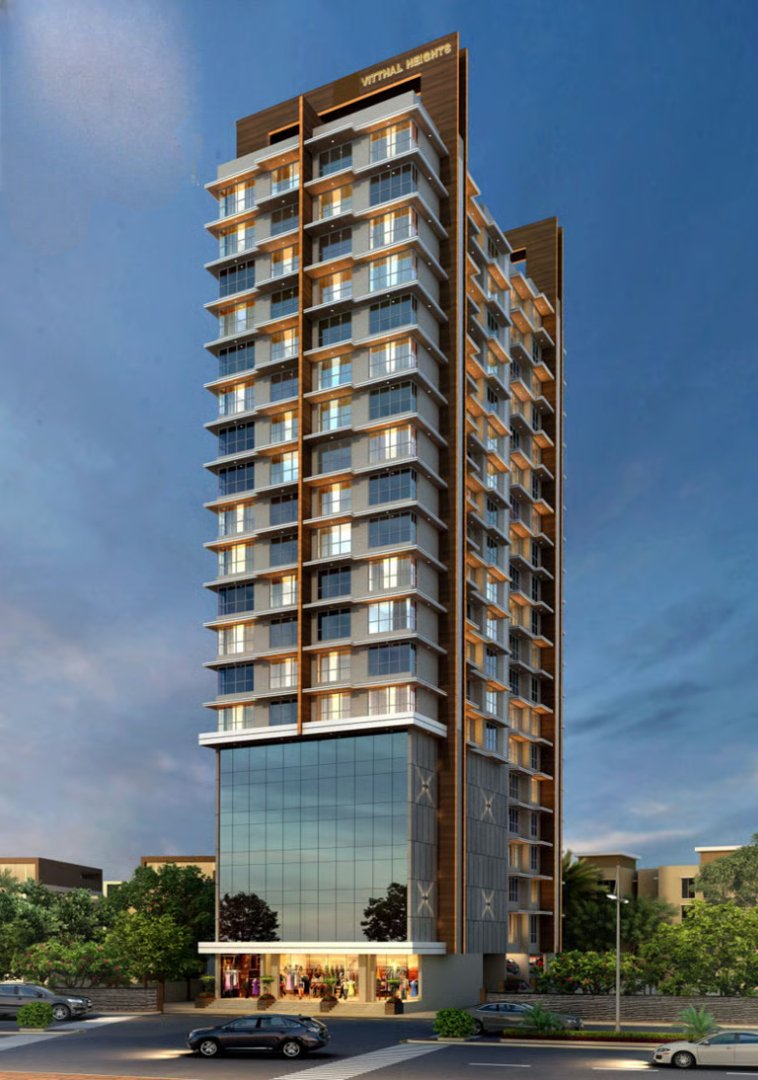
Viththal Height CHS Mira Road East is a contemporary 80,000 Sq. ft. high-rise residential redevelopment tower rising in the heart of Mira Road (E), Thane. Executed with Nestbuild India LLP serving as the official Construction Partner, this slender vertical tower features modern glass-clad commercial podium levels and premium residential apartments above. Positioned in one of the fastest-growing corridors of the Mumbai Metropolitan Region (MMR), the project delivers modern architecture, high space efficiency, and lasting structural value.

Scope of Turnkey Construction & RCC ExecutionIn the Pre-Construction Phase, our team collaborates on structural execution planning, bar-bending schedules, procurement logistics, and site safety setup. During the Construction Phase, Nestbuild India LLP leads on-ground civil and structural contracting—covering site clearance, deep foundation piling and footing, plinth beams, and high-rise RCC column-and-slab casting. We also execute masonry brickwork, lintels, internal and external plastering, MEP plumbing and electrical lines, flooring, and weather-shield facade painting. In the Post-Construction Phase, Viththal Height CHS Mira Road East completes comprehensive quality inspections and statutory clearances for smooth possession.

Client / Project
Viththal Height CHS
Scope of Work
Official Construction Partner
Project Status
Under Construction
Location
Mira Road (E), Thane – MMR
Total Built-up Area
80,000 Sq. ft.
Core Focus:
High-rise RCC contracting, modern elevation, and timely delivery.

Design in Details

In design, we bring characteristics of the natural world into built spaces, such as water, greenery, and natural light, or elements like wood and stone. Encouraging the use of natural systems and processes in design allows for exposure to nature, and in turn, these design approaches improve health and wellbeing. There are a number of possible benefits, including reduced heart rate variability and pulse rates, decreased blood pressure, and increased activity in our nervous systems, to name a few.

Over time, our connections to the natural world diverged in parallel with technological developments. Advances in the 19th and 20th centuries fundamentally changed how people interact with nature. Sheltered from the elements, we spent more and more time indoors. Today, the majority of people spend almost 80-90% of their time indoors, moving between their homes and workplaces. As interior designers embrace biophilia.

[30m2]

bedroom

[22m2]

bathroom

[28m2]

workspace

[15m2]

kitchen area

Incredible Result

Establishing multi-sensory experiences, we can design interiors that resonate across ages and demographics. These rooms and spaces connects us to nature as a proven way to inspire us, boost our productivity, and create greater well-being. Beyond these benefits, by reducing stress and enhancing creativity, we can also expedite healing. In our increasingly urbanized cities, biophilia advocates a more humanistic approach to design. The result is biophilic interiors that celebrate how we live, work and learn with nature. The term translates to ‘the love of living things’ in ancient Greek (philia = the love of / inclination towards), and was used by German-born American psychoanalyst Erich Fromm in The Anatomy of Human Destru ctiveness (1973).